Fencing in Florence for properties requiring durable enclosures for animals, privacy, or boundary definition
Boundaries That Handle Livestock and Weather
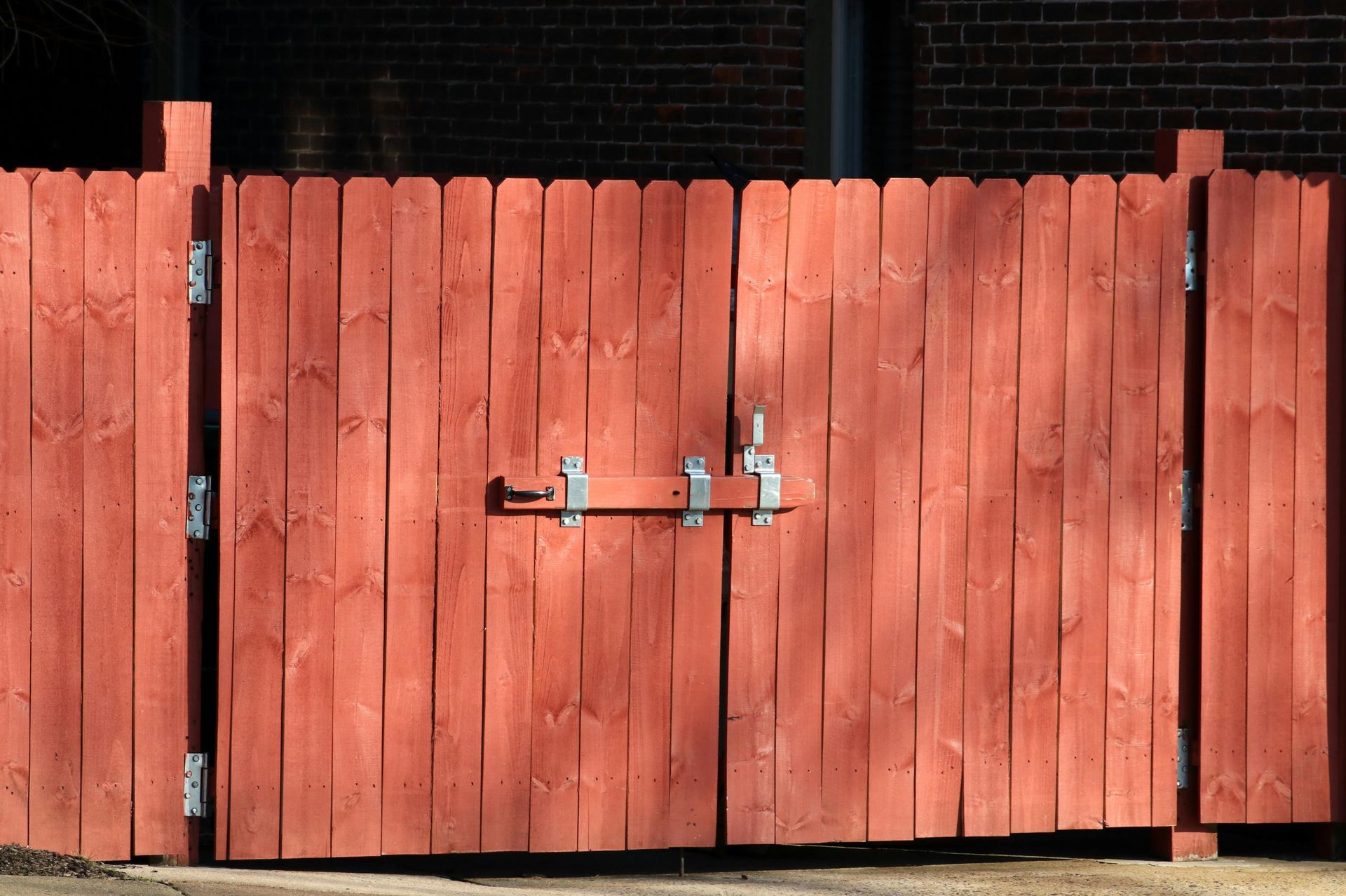
Fence posts that lean after one season or wire that sags under livestock pressure fail to serve their function. Chavez Concrete Construction installs fencing in Florence built to withstand wind, soil movement, and the forces animals apply to corners and gates. Privacy fences, box wire fences, horse fences, and picket fences are constructed with post-setting methods and bracing systems that account for Montana's freeze-thaw cycles and soil conditions.
Fencing installation begins with understanding the intended use—horse fencing requires different wire tension and post spacing than privacy fencing, and box wire enclosures for smaller animals need tighter mesh and deeper burial to prevent digging. Post depth, concrete setting methods, and corner bracing all change depending on soil type and whether the fence will contain livestock or simply define property lines.
Arrange a site visit to determine post spacing requirements, material options, and the bracing approach that fits your property layout and fencing purpose.
How Fencing Addresses Property and Livestock Needs
Post installation involves setting depth below frost line to prevent heaving, using concrete or gravel backfill depending on drainage needs, and installing corner bracing that resists tension from stretched wire. Privacy fence panels require consistent spacing and level installation to prevent gaps as wood expands and contracts, while wire fencing depends on proper tensioning to maintain height and prevent sagging under animal contact.
Once complete, gates swing freely without dragging, wire maintains tension across long runs without sagging, and posts remain plumb through seasonal ground shifts. Privacy fences provide consistent screening without gaps between panels, and livestock fences contain animals without requiring constant re-tensioning or post adjustment.
Fencing projects also involve decisions about gate placement, which affects access for equipment and animals, and material selection between treated wood posts that resist rot and metal posts that offer longer life in wet soil conditions. Wire gauge and mesh size vary based on what the fence is designed to contain or exclude.
Questions About Fencing Projects
Choosing the right fence type and understanding installation factors helps property owners make informed decisions. These answers clarify common fencing concerns.
What determines post spacing for different fence types?
Privacy fences typically require posts every six to eight feet to support panel weight and wind load, while wire fencing for horses often uses ten to twelve-foot spacing with stronger corner and gate posts to handle wire tension.
How does soil type in Florence affect post installation methods?
Clay soils hold moisture and can cause frost heaving, requiring deeper post setting and gravel backfill for drainage, while rocky soils may need augered holes and concrete to secure posts firmly.
What's the difference between box wire and horse fencing?
Box wire uses tighter mesh spacing and is often partially buried to prevent smaller animals from digging underneath, while horse fencing uses larger openings with smooth wire or coated options to reduce injury risk from contact.
When should gates be added during fence installation?
Gates are framed and hung after line posts are set and wire is tensioned or panels are installed, ensuring proper alignment and clearance for swinging or sliding operation.
How do privacy fences handle wind without failing?
Proper post depth, concrete setting, and in some cases kickboards at the base reduce wind load by allowing limited airflow, while corner bracing and mid-span posts prevent racking and panel separation during high winds.
Chavez Concrete Construction matches fencing materials and installation methods to property conditions and intended use. Set up a consultation to walk your property line and review post placement, bracing requirements, and material options for your fencing project.